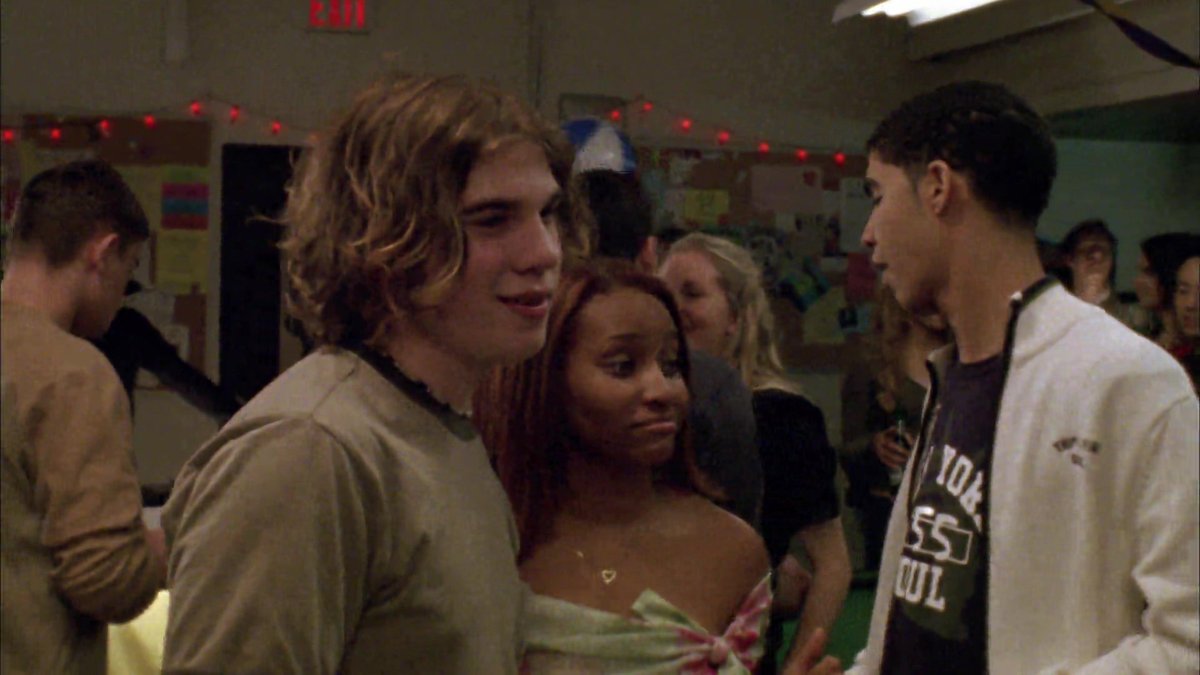
Degrassi Community School was never just a backdrop for teenage drama; it was a crucible for some of life's most brutal lessons. And perhaps no season hammered that truth home more profoundly than Season 4, which didn't just skim the surface but dove headfirst into Major Themes & Social Issues in Degrassi Season 4. This isn't just about a school shooting; it's a deep, unsettling look at the cascading failures—personal, systemic, and societal—that led to an unthinkable act of violence and the long, silent echoes it left behind.
In its raw, unflinching portrayal, Degrassi Season 4 forces us to confront uncomfortable truths about trauma, abuse, and the sometimes devastating incompetence of the adults meant to protect young people. It's a story that remains disturbingly relevant, prompting vital conversations about accountability, victim support, and how narratives shape our understanding of justice.
At a Glance: What Degrassi Season 4 Forces Us to Confront
- The Perils of Unchecked Abuse: How a perpetrator’s manipulative behavior escalated from emotional control to sexual assault and ultimately, an act of mass violence.
- Deep, Lingering Trauma: The profound and varied psychological impacts on a diverse group of students, extending far beyond the immediate incident.
- Systemic Adult Failure: The critical breakdowns in judgment and support from school administration and parental figures, which allowed the crisis to fester and its aftermath to be mishandled.
- Misplaced Sympathy: The uncomfortable reality of how audiences, and even the show itself, sometimes extend undue sympathy to perpetrators, inadvertently blaming victims.
- The Scars That Don't Heal: A powerful, if critically incomplete, look at how communities and individuals grapple with long-term mental health consequences post-tragedy.
The Catalyst of Chaos: Rick's Path of Manipulation and Violence
The dark heart of Degrassi Season 4 is undeniably Rick Murray. Introduced initially as a new student, his character arc quickly veered into a chilling exploration of coercive control and intimate partner violence. You watched as Rick cultivated a "nice guy" facade, a carefully constructed persona designed to charm and manipulate, particularly the young women in his orbit. This wasn’t just about bad choices; it was a calculated pattern of behavior. He viewed his girlfriends, particularly Terri MacGregor, not as partners but as objects to be controlled, leading to a violent outburst that left Terri in a coma. It was a stark, early warning sign of the darkness simmering beneath his surface.
Yet, despite this horrific act, Rick was eventually allowed back into Degrassi Community School. It’s here that the narrative amplifies its critique of how institutions handle complex and dangerous individuals. His return set the stage for a new cycle of abuse, targeting Emma Nelson. The show depicted his escalating possessiveness, his emotional manipulation, and ultimately, a disturbing sexual assault against Emma. When Emma rejected him, his carefully constructed world crumbled, leading to the unthinkable: he brought a gun to school, shooting up the hallways and critically injuring Jimmy Brooks. This catastrophic event wasn't a sudden explosion; it was the tragic culmination of unchecked manipulation and violence. For a deeper dive into the events leading up to and defining this pivotal season, you can Explore Degrassi Season 4.
The Unseen Wounds: Long-Term Psychological Fallout on Students
The Degrassi shooting wasn't merely a dramatic climax; it was a devastating trauma that sent ripples through the entire student body, leaving profound and often invisible wounds. While the physical injury to Jimmy Brooks was apparent, the psychological toll on many others was arguably more pervasive and longer-lasting. This wasn't a story that ended when the sirens faded; it was just beginning.
Consider Emma Nelson, the immediate target of Rick's final, violent act. She struggled significantly post-shooting, developing what the show depicted as hypersexuality—a coping mechanism, perhaps, or a manifestation of her trauma, seeking control or validation in desperate ways. Her journey highlighted the complex and often misunderstood ways sexual assault survivors grapple with their experiences.
But Emma was far from alone. The shooting impacted a wide array of students, each carrying their own burdens:
- Jimmy Brooks: His life was irrevocably altered by paralysis, forcing him to adapt to a new physical reality while also processing the trauma of being shot by a peer.
- Alex Nuñez, Jay Hogart, Spinner Mason: These characters, often on the periphery of the "good kid" narratives, were nonetheless deeply affected, forced to confront the fragility of their world. Spinner, in particular, wrestled with profound guilt and responsibility after his role in baiting Rick.
- Craig Manning: Already grappling with his parents' tumultuous relationship, the shooting served as a severe stressor, arguably triggering or exacerbating his undiagnosed bipolar disorder, a powerful illustration of how external trauma can interact with pre-existing vulnerabilities.
- Toby Isaacs: Rick's closest friend, Toby was forced to reconcile his loyalty with the horrific actions of someone he cared about, undoubtedly leaving him with conflicted feelings of betrayal and loss.
- Hazel MacGregor: As Terri's best friend, she had already witnessed Rick's capacity for violence. The school shooting would have confirmed her worst fears and deepened her trauma.
- Sean Cameron: The student who heroically disarmed Rick, Sean carried the immense burden of being the one to prevent further carnage, an experience that likely haunted him with a mix of relief and terror.
What stands out, and what many critics and fans point to, is the show's subsequent struggle to adequately address these long-term impacts. By Season 5, much of the shooting's aftermath, particularly the deep psychological scars, seemed to recede into the background. This narrative abandonment is a missed opportunity, failing to fully explore the arduous journey of healing and the lifelong implications of such a traumatic event. It's a critical flaw that underscores how even well-intentioned media can sometimes shy away from the enduring, uncomfortable reality of trauma recovery.
A System in Crisis: How Adult Figures Let Degrassi Down
The shooting wasn't just a failure of one individual; it was a damning indictment of systemic negligence and adult failures. Time and again, those in positions of authority—school staff, administrators, even parents—made critical missteps that, directly or indirectly, enabled Rick's path to violence and exacerbated the post-event chaos. Their collective inaction and poor judgment turned a crisis into a catastrophe.
Let's break down where the adults fell short:
- Principal Raditch's Critical Oversight: Perhaps the most egregious failure came from Principal Raditch. He allowed Rick to return to Degrassi despite knowing full well about the student hostility directed towards him following the assault on Terri. Even worse, Raditch ignored clear signs of bullying and alienation that Rick was experiencing. While bullying is never an excuse for violence, the administration's responsibility is to create a safe environment for all students and address conflict proactively. Raditch’s passivity turned a simmering tension into a pressure cooker.
- Ms. Hatzilackos's Superficial Solutions: In the aftermath of the shooting, the school guidance counselor, Ms. Hatzilackos, offered little substantial support. Her approach often leaned towards distraction and superficial events, rather than providing the deep, individual, and clinical psychological assistance desperately needed by traumatized students. Distraction might offer temporary relief, but it does not heal deep wounds.
- Mr. Snake Simpson's Delayed Intervention: Joey Jeremiah’s absence and Snake’s struggles to connect with Emma during her ordeal with Rick were palpable. While Snake was genuinely caring, he failed to intervene effectively for Emma until it was tragically too late. His struggles highlight the challenge adults face in recognizing and responding to the subtle signs of abuse, but also underscore the responsibility to act decisively when those signs become clear.
- The Administration's Inadequate Post-Shooting Response: After the unspeakable happened, the school's response was woefully insufficient. They provided only group therapy a week after the incident. While group therapy can be beneficial, it was offered too late and without crucial psychiatric assistance. The administration chose to deflect the situation, downplaying the severity of the trauma and failing to provide comprehensive, immediate, and specialized mental health support. This approach prioritized managing public perception over the genuine well-being of its students.
Ultimately, Degrassi Season 4 makes it clear: the shooting and its severe, enduring repercussions are held solely accountable to Rick and the negligent adults who failed to protect the students. Their actions—or lack thereof—created an environment where tragedy could not only occur but also fester, leaving a permanent scar on the Degrassi community.
The Echo Chamber of Empathy: Challenging Misplaced Sympathy and Victim-Blaming
One of the most unsettling social issues highlighted by Degrassi Season 4, both within the show's narrative and in its audience reception, is the disproportionate sympathy extended to perpetrators, often at the expense of their victims. This phenomenon isn't unique to Degrassi, but the show's portrayal of Rick Murray and its subsequent reception brought it into sharp focus.
Rick, despite his history of manipulation, physical abuse against Terri, sexual assault against Emma, and ultimately, shooting multiple students, often received a peculiar kind of sympathy. This sympathy sometimes manifested as victim-blaming directed towards Emma, implying that her actions or rejections somehow justified or provoked Rick's violence. Let's be unequivocally clear: no one ever "deserves" sexual assault, nor does anyone's rejection warrant an act of mass violence. Such narratives are dangerous, as they shift accountability away from the abuser and onto the abused.
The criticism from both within the show's fandom and broader discussions is vital: this misplaced sympathy risks glamorizing or excusing Rick’s actions. When we empathize more with the perpetrator’s perceived pain or alienation than with the very real, life-altering trauma inflicted upon their victims, we perpetuate harmful cycles of thought. It sends a message that the abuser's feelings are more important than the victim's safety and well-being.
This theme extends beyond Degrassi, reflecting a broader societal issue where "troubled" or "misunderstood" individuals who commit heinous acts are sometimes humanized to a degree that overshadows the suffering of those they harmed. It underscores the critical need to:
- Prioritize Victim Voices: Ensure that the experiences and perspectives of survivors are centered and validated.
- Challenge Justifications for Abuse: Actively push back against any attempt to rationalize or excuse violent behavior based on the perpetrator's personal struggles.
- Understand True Accountability: Recognize that accountability lies squarely with the individual who commits the harmful act, regardless of their own pain or history.
Degrassi, in its unintentional revelation of this audience dynamic, offers a powerful, albeit uncomfortable, lesson about how we consume and interpret stories of violence and abuse, urging us to question where our empathy truly belongs.
Beyond the Screen: Lessons for Understanding Trauma, Abuse, and Accountability
Degrassi Season 4, with all its narrative strengths and weaknesses, offers invaluable lessons that resonate far beyond the television screen. It serves as a stark reminder of the complexities of trauma, the insidious nature of abuse, and the non-negotiable importance of accountability.
- Recognizing the Red Flags of Abuse: Rick's story is a textbook case of escalating abuse. His "nice guy" facade, his possessiveness, his need for control, his eventual physical and sexual violence—these are all warning signs. The season teaches us to look beyond surface charm and recognize patterns of behavior that diminish or harm others. It's a crucial reminder for young people and adults alike to trust their instincts and seek help when a relationship feels off or dangerous.
- The Lifelong Impact of Trauma: The show powerfully illustrates that the effects of a single traumatic event, like a school shooting, do not simply dissipate. From hypersexuality in Emma to the potential triggering of bipolar disorder in Craig, the psychological aftermath is varied, complex, and often long-lasting. This underscores the critical need for immediate, comprehensive, and sustained mental health support, not just days or weeks after, but for as long as it takes.
- Holding Institutions Accountable: The failures of Principal Raditch and the school administration highlight a crucial societal responsibility. Schools and other institutions are not just places of learning; they are meant to be safe havens. When they fail to protect students, to address bullying, or to provide adequate support after a crisis, the consequences can be devastating. This season encourages us to demand greater accountability from our institutions and advocate for better policies and resources for student well-being and safety.
- Challenging Victim-Blaming Narratives: The discussions around Rick and Emma's storyline serve as a potent case study in victim-blaming. It's imperative to continually challenge narratives that seek to justify abuse or violence by scrutinizing the victim's actions. Empathy should always be extended first and foremost to those who have been harmed.
This season of Degrassi forces us to look closely at our communities, our schools, and even our own internal biases. It's a call to action to be more vigilant, more compassionate, and more proactive in preventing violence and supporting survivors.
Charting a Path Forward: Creating Safer Spaces and Smarter Narratives
The themes from Degrassi Season 4 aren't just fodder for analysis; they're blueprints for action. If there's one overarching takeaway, it's that ignoring complex issues like abuse, mental health, and systemic failures doesn't make them disappear—it amplifies their destructive power.
As individuals, we can commit to educating ourselves and others about the signs of abusive relationships, ensuring that our circles are safe spaces where victims feel heard and supported, not judged or blamed. This means fostering open conversations about consent, healthy boundaries, and the importance of emotional well-being.
At an institutional level, the demand for robust mental health resources in schools, proactive anti-bullying policies, and comprehensive crisis response plans is non-negotiable. It means moving beyond superficial gestures and investing in long-term, specialized support for students and staff alike. No school should ever again deflect responsibility or underfund the crucial services that protect young minds.
Finally, as consumers of media, we have a role in shaping narratives. By critically analyzing how stories portray perpetrators and victims, we can challenge harmful tropes that glamorize violence or diminish suffering. We can advocate for nuanced, responsible storytelling that fully explores the arduous journey of healing and unequivocally places accountability where it belongs. The lessons from Degrassi Season 4 are a powerful reminder that our collective vigilance and empathy are the strongest defenses against repeating the mistakes of the past.